Kunta Kinteh Island: A Symbol of African Resistance and Heritage
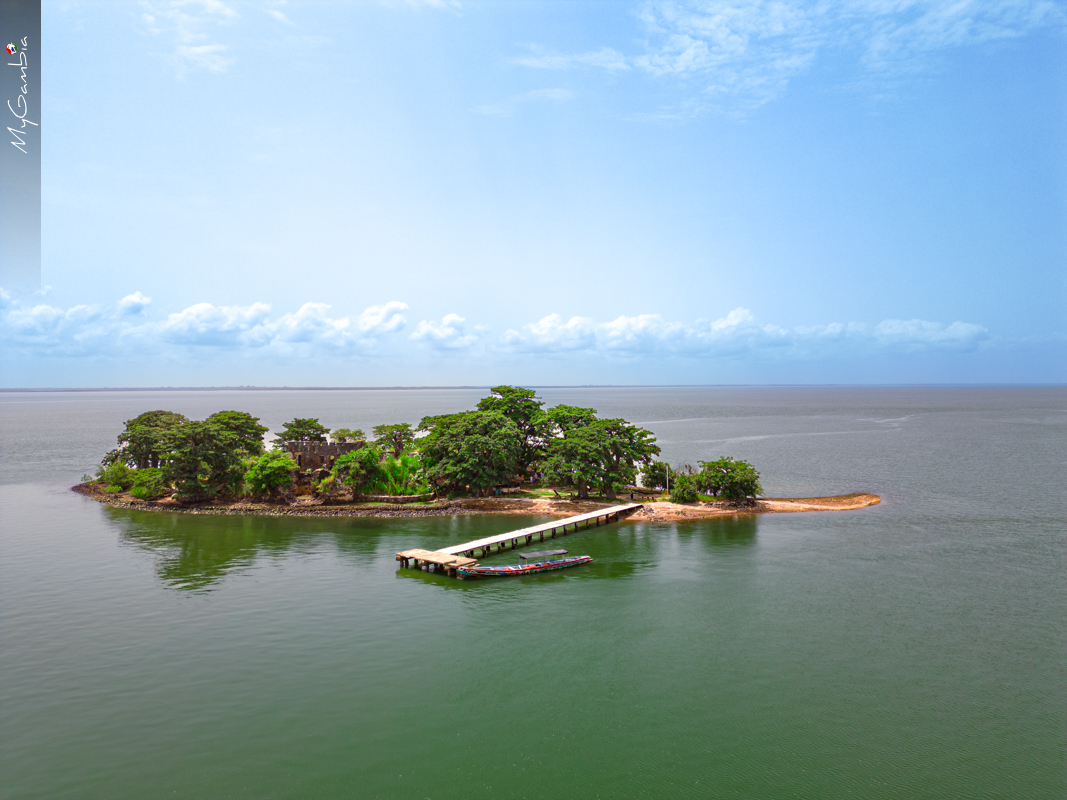
Located in the Gambia River, Kunta Kinteh Island is a small but historically significant site that played a crucial role in the transatlantic slave trade. Formerly known as James Island, the island was renamed in honor of Kunta Kinteh, a Gambian man who was captured and sold into slavery in the 18th century, and whose life story was famously told in Alex Haley’s novel Roots.
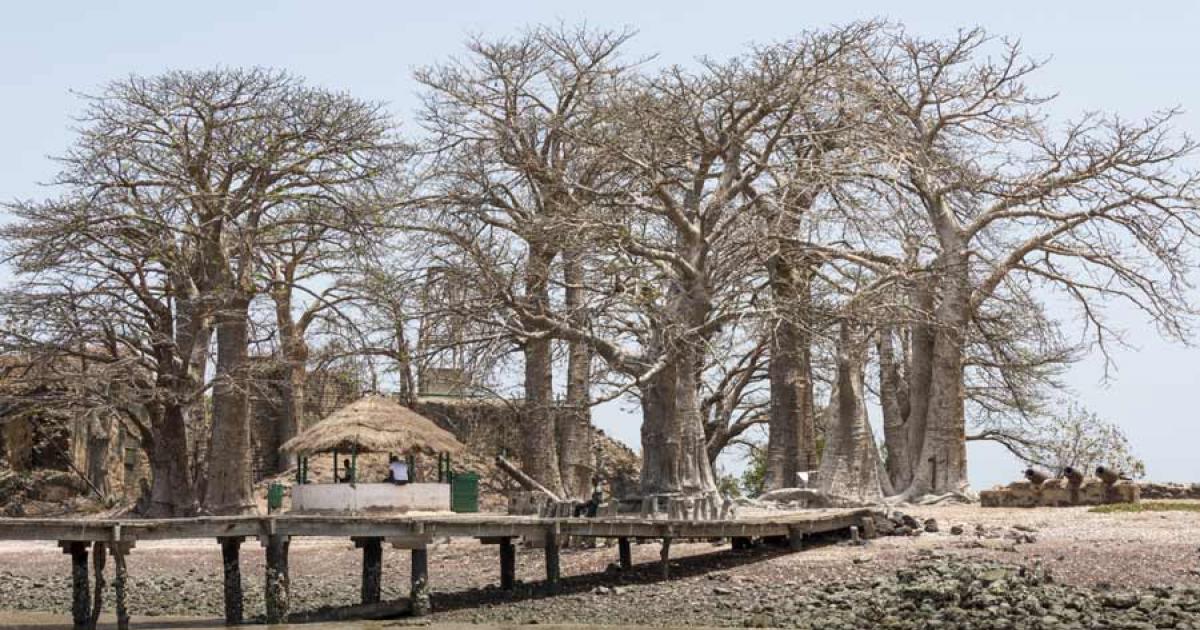
The island served as a key trading post for European powers, particularly the British, who used it as a strategic fort to capture and transport enslaved Africans. The ruins of Fort James still stand on the island, providing a haunting reminder of the island’s grim history. Over time, Kunta Kinteh Island became a place of deep cultural and historical significance, representing both the brutality of slavery and the resilience of the African spirit.
Today, the island is a UNESCO World Heritage Site and an important symbol of resistance against slavery. Visitors can explore the remains of the fort, including dungeons where enslaved people were held before being shipped across the Atlantic. The island is also part of a broader narrative of African heritage and survival, as it connects to the many personal stories of individuals like Kunta Kinteh who endured the horrors of enslavement.
Kunta Kinteh Island is not only a place of reflection and remembrance but also a vital cultural landmark. It offers visitors a powerful opportunity to engage with the history of the transatlantic slave trade, honor the victims, and celebrate the resilience of African communities.